
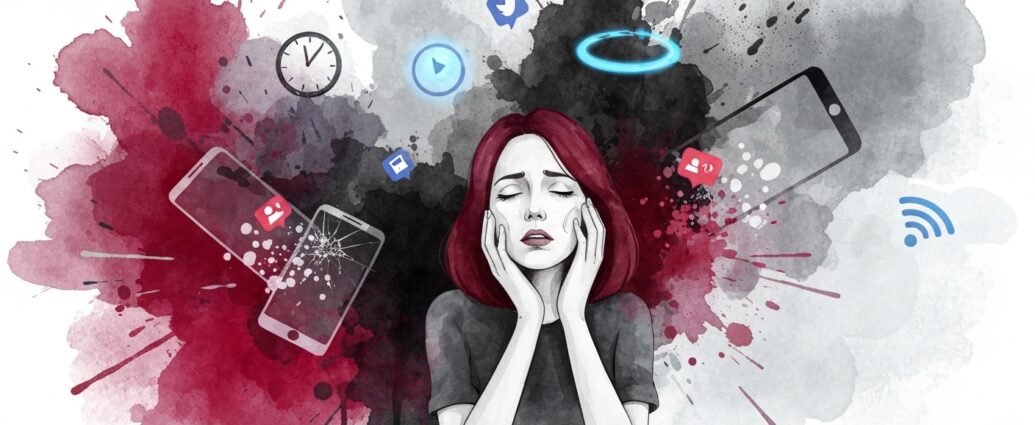
Three weeks ago, I caught myself doing something bizarre. I was lying in bed at 2 AM, eyes burning from blue light, scrolling through work emails I couldn’t even respond to until morning. My heart was racing, my shoulders were tight, and I felt this low-level panic that wouldn’t quit. The weirdest part? I couldn’t put my phone down even though I knew it was making everything worse.
Sound familiar? You’re definitely not alone. A 2024 American Psychiatric Association poll found that 43% of adults feel more anxious than the previous year, and 46% specifically cite emerging technology as a major source of stress. Meanwhile, research on digital workplace stress reveals that 58% of employees feel constantly connected to work, and 53% experience anxiety about the rapid pace of technological change.
Tech stress isn’t just about feeling overwhelmed by notifications. It’s a real, measurable phenomenon with physical symptoms like headaches, sleep problems, and exhaustion. The good news? Understanding how technology triggers stress is the first step toward reclaiming your mental peace without going full digital hermit mode.
What Is Tech Stress and Why Is It Different From Regular Stress?
Tech stress, also called technostress, is your body and mind’s inability to cope with new technologies in a healthy way. Unlike traditional workplace stress or relationship stress, tech stress comes specifically from your interactions with digital devices and the demands they create.
Researchers define technostress as physical, behavioral, and psychological strain in response to information and communication technology dependence. It’s not just about using technology, it’s about feeling unable to disconnect, constantly struggling to keep up with updates, or experiencing anxiety when you’re away from your devices.
According to studies on digital stress symptoms, people affected by technostress are more likely to suffer from headaches, fatigue and exhaustion, and sleep disturbances. A comprehensive systematic review found that technostress affects both professional and private life, reducing job satisfaction, life satisfaction, and productivity while often triggering psychological and behavioral disorders.
What makes tech stress particularly sneaky is how normalized it’s become. We joke about being addicted to our phones or feeling lost without Wi-Fi, but these jokes mask genuine distress. When you feel phantom vibrations from your phone, experience anxiety checking your empty inbox for the tenth time in an hour, or can’t enjoy dinner without photographing it first, you’re experiencing real tech stress symptoms.
💡 Pro Tip: Track your tech stress baseline by noting three things this week: how many times you check your phone when you dont need to, how often you feel anxious about missing notifications, and whether you can enjoy a meal without your device nearby. This awareness creates the foundation for change.
The Five Types of Tech Stress You Experience Daily
Technology creates stress through five distinct mechanisms, each with its own flavor of overwhelm. Recognizing which ones affect you most helps target your solutions.
Techno-Overload: When Information Never Stops
This is the constant barrage: work emails, text messages, app notifications, LinkedIn messages, news alerts, and social media updates flooding your attention. A study of 142 workers found that information overload is a significant risk factor for employee mental health and leads to greater exhaustion.
Your brain wasn’t designed to process this much information. Each notification triggers a small cortisol spike, your stress hormone. Over a full day, these micro-doses of stress compound into genuine overwhelm, leaving you mentally exhausted even when you haven’t done anything particularly demanding.
Techno-Invasion: The Death of Downtime
Remember when leaving work meant actually leaving work? Techno-invasion describes being constantly reachable, feeling pressure to respond immediately, and having work bleed into every hour of your life. According to Calm’s 2024 workplace research, 58% of employees agree they’re always connected or available for work.
This constant availability isn’t just annoying, it’s physiologically harmful. Your body needs genuine rest periods to recover from stress. When your phone can summon you to work at 9 PM on Sunday, your nervous system never fully relaxes.
Techno-Complexity: The Exhaustion of Constant Learning
Every app update changes the interface. Every software upgrade requires new training. Every platform you use has its own logic and jargon. For older workers especially, this creates significant stress. Studies show that technologies cause particularly high stress in employees aged 60 and over who feel they’re always playing catchup.
Techno-Insecurity: The Fear of Being Replaced
Calm’s research found that 45% of employees worry AI will take their jobs, and 53% experience anxiety about rapid technology developments in their workplace. This isn’t paranoia, major companies are openly planning to replace roles with AI. The fear of professional obsolescence creates chronic background stress.
Fear of Missing Out (FOMO): The Social Media Trap
Seeing everyone else’s highlight reel while living your behind-the-scenes reality creates constant comparison and inadequacy. Research on digital workplace stress found that fear of missing out on information is a significant risk factor for mental health issues, along with information overload.
💡 Pro Tip: Identify your primary tech stressor by asking: What digital interaction leaves me feeling worst? Is it work emails after hours, social media comparisons, or struggling with new software? Focus your initial efforts on your biggest pain point rather than trying to fix everything at once.
How Tech Stress Shows Up in Your Body and Mind
Tech stress doesn’t stay abstract. It manifests in concrete, measurable ways that affect your daily life. Research on excessive smartphone use among Australian adults found that high smartphone users scored significantly worse on depression, anxiety, stress, and sleep quality measures.
Physical Symptoms
After headaches and eyestrain, technology use has the strongest associations with high stress levels manifesting as physical symptoms. Common complaints include tension headaches from screen time, neck and shoulder pain from hunching over devices, disrupted sleep from blue light exposure, fatigue and exhaustion that doesn’t improve with rest, and increased heart rate or blood pressure during high-stress tech interactions.
Psychological Symptoms
Studies among university students show that smartphone addiction scores correlate strongly with anxiety and depression measures. People experiencing technostress report irritability and mood swings, difficulty concentrating on non-digital tasks, anxiety when separated from devices, restlessness and inability to relax, and feelings of being overwhelmed or out of control.
Behavioral Changes
A cross-sectional study found that 24% of adults reported high-severe smartphone use, with corresponding increases in mental health symptoms. Tech stress changes how you act: procrastination on important tasks while scrolling mindlessly, social withdrawal in favor of device time, decreased productivity despite working longer hours, neglecting self-care activities like exercise or healthy eating, and sleep disruption from late-night device use.
A Step-by-Step Plan to Reduce Tech Stress by 40%
Research from Germany showed that reducing smartphone use by just one hour daily for one week led to reduced depression and anxiety and improved physical activity. You don’t need a complete digital detox to feel better, small, strategic changes compound over time.
Week 1: Audit and Awareness
Use your phone’s built-in screen time tracking for iOS (Settings, Screen Time) or Android (Digital Wellbeing). Check it daily and note your patterns. When do you use your phone most? Which apps consume the most time? Are you picking up your phone mindlessly or purposefully?
This week, just observe. Don’t try to change anything yet. Most people underestimate their actual screen time by 50% or more. The data might shock you, that’s okay. Awareness precedes change.
Week 2: Notification Purge
Go through every app on your phone and disable non-essential notifications. Keep only what absolutely requires immediate attention: calls, texts from specific important contacts, and maybe calendar reminders. Everything else, email, social media, news, shopping apps, goes silent.
For workplace tools like Slack or Teams, use the “do not disturb” schedule to block notifications outside working hours. Set specific times to check these platforms rather than letting them interrupt you constantly.
Week 3: Create Phone-Free Zones
Designate three situations where your phone stays out of reach: the bedroom (use an actual alarm clock), meal times (all of them, not just special occasions), and the first hour after waking. These boundaries protect your sleep, social connections, and morning mental state.
Studies on nighttime smartphone use found strong links between late-night device usage and poor mental health, including loneliness, depressive symptoms, and perceived stress. Removing your phone from the bedroom alone can improve sleep quality within days.
Week 4: Schedule Check-In Windows
Instead of constant connection, batch your communication. Check email at 9 AM, noon, and 4 PM only. Review social media once daily for 20 minutes. Respond to non-urgent messages twice a day.
This feels uncomfortable initially because you’ve trained yourself to be constantly available. Push through the discomfort. After a few days, you’ll notice how much more focused and calm you feel during the hours between check-ins.
💡 Pro Tip: Start with just one change from this plan rather than implementing everything simultaneously. Success with one small boundary builds momentum and confidence for the next change. Sustainable progress beats overwhelming yourself with too many restrictions at once.
Why Your Brain Gets Addicted to Tech Stress
Understanding the neurological hooks helps explain why reducing tech use feels so difficult. Your smartphone leverages the same reward pathways that make gambling addictive. Every notification, like, or interesting piece of content triggers a small dopamine release.
This creates what psychologists call variable ratio reinforcement, the most powerful form of behavioral conditioning. You don’t know when the next rewarding notification will arrive, so you check constantly. Slot machines use the exact same mechanism.
Research shows that one in three individuals with gaming disorder also have depression. The addiction itself becomes a source of stress while simultaneously being the coping mechanism you reach for when stressed. This vicious cycle explains why people describe feeling trapped by their devices.
Additionally, social media platforms are explicitly designed to maximize engagement, which is a polite way of saying they’re engineered to keep you scrolling. Features like infinite scroll, autoplay videos, and algorithm-curated feeds that show you increasingly engaging content all work to extend your usage time regardless of the impact on your wellbeing.
Outcome Expectations: What Realistically Changes and When
Setting realistic expectations prevents discouragement. Here’s what research and real-world experience tell us about the timeline for reducing tech stress.
Days 1 to 3 (Acute Discomfort): You’ll feel anxious and restless without constant device access. Your hand will reach for your phone reflexively dozens of times. This is withdrawal from the dopamine loop, not a sign you’re failing. Push through.
Week 1 (Early Wins): Sleep quality improves noticeably if you’ve removed devices from the bedroom. You’ll start recognizing how often you used your phone to avoid boredom or discomfort. Anxiety about missing things remains high.
Week 2 (Adjustment): The constant urge to check your phone decreases by about 30%. You’ll have moments of genuine presence during activities, actually tasting your food or hearing what someone said. Work productivity increases because you’re not constantly context-switching.
Weeks 3 to 4 (New Normal): Your baseline stress levels drop significantly. Physical symptoms like tension headaches and neck pain improve. You feel more control over your attention and less reactive to external stimuli.
Month 2 (Sustained Improvement): Research shows that maintaining reduced smartphone use for two months leads to sustained improvements in depression and anxiety scores. Your relationships deepen because you’re more present. Creative thinking improves because your mind has space to wander.
Month 3 and Beyond (Lifestyle Integration): Reduced tech stress becomes your new baseline. You’ve developed genuine hobbies and social connections that don’t involve screens. When you do use technology, it feels like a tool you control rather than a master you serve.
Effort and Resources Required
Let’s be honest about the investment. Initial setup takes about 2 hours spread over a week to configure device settings, disable notifications, and establish new routines. Daily maintenance requires 10 to 15 minutes for the first month as you actively redirect habits, then becomes automatic.
Financial costs are minimal. You might invest in an alarm clock ($15 to $30) if you’re removing your phone from the bedroom, and perhaps some books or hobby supplies ($20 to $100) to replace screen time. These are optional, not required.
Skills needed include basic digital literacy to navigate device settings, self-awareness to recognize stress triggers, and willingness to tolerate temporary discomfort during the adjustment period. If you can change your Wi-Fi password, you have the technical skills required.
For more context on managing how devices affect your mental wellbeing, exploring resources about smartphone anxiety and stress can provide additional strategies. Understanding the broader relationship between digital habits and mental health helps contextualize your efforts.
Common Pitfalls and How to Avoid Them
Most people make predictable mistakes when trying to reduce tech stress. Knowing these in advance dramatically improves your success rate.
Pitfall 1: Going Too Extreme Too Fast
Declaring a complete digital detox for 30 days sounds noble but usually fails by day three. You need your phone for legitimate reasons: work communication, navigation, emergency contacts, banking. Extreme restrictions create additional stress and set you up for guilty binging later.
Instead, reduce gradually. Cut screen time by 30 minutes weekly rather than eliminating it entirely. Build sustainable habits, not temporary deprivation experiments.
Pitfall 2: Ignoring Workplace Realities
Your job might genuinely require quick email responses or Slack availability. Fighting against realistic workplace expectations creates career stress that outweighs the benefits of reduced tech stress. Work within your constraints rather than pretending they don’t exist.
Communicate boundaries clearly with colleagues. Say, “I check email three times daily at 9 AM, 1 PM, and 4 PM. For urgent matters, call me.” Most reasonable people respect clear expectations.
Pitfall 3: Replacing One Screen With Another
Putting down your phone only to immediately open your laptop doesn’t reduce tech stress. The issue isn’t the specific device, it’s the constant digital stimulation and connection demands.
When you reduce phone time, replace it with genuinely non-digital activities: walking, reading physical books, face-to-face conversations, cooking, exercise, or hobbies that engage your hands.
💡 Pro Tip: Expect to “relapse” occasionally into old habits, especially during stressful periods. When it happens, don’t catastrophize or give up. Just notice what triggered the backslide and restart your boundaries the next day. Sustainable change isn’t linear, it’s a series of adjustments over time.
When to Seek Professional Help
Sometimes tech stress signals or exacerbates underlying mental health conditions that need professional support. Consider reaching out if you experience persistent anxiety or depression that doesn’t improve with reduced screen time, panic attacks triggered by device notifications or fear of missing information, insomnia lasting more than two weeks despite good sleep hygiene, physical symptoms like chest pain or severe headaches that interfere with daily life, or inability to reduce device use despite genuine desire and repeated attempts.
A therapist specializing in anxiety or addiction can help you develop coping strategies beyond digital boundaries. Cognitive behavioral therapy has shown particular effectiveness for tech-related anxiety and compulsive behaviors.
Quick Takeaways
- Tech stress is a real, measurable phenomenon affecting 43% of adults who report increasing anxiety related to technology use and constant connectivity.
- Five main types of tech stress techno-overload, techno-invasion, techno-complexity, techno-insecurity, and FOMO each require slightly different solutions.
- Physical symptoms include headaches, sleep disruption, and fatigue while psychological symptoms manifest as anxiety, irritability, and difficulty concentrating.
- Reducing smartphone use by just one hour daily can significantly decrease depression and anxiety within one week according to research.
- Start with awareness tracking, then progressively disable notifications, create phone-free zones, and establish scheduled check-in windows rather than constant availability.
- Expect 2 to 4 weeks of discomfort during the adjustment period before experiencing sustained stress reduction and improved mental clarity.
- Avoid extreme digital detoxes in favor of gradual, sustainable reductions that work within your actual life constraints and professional requirements.
- Seek professional help if tech stress triggers severe anxiety, depression, or physical symptoms that don’t improve with reasonable boundary-setting efforts.
Moving Forward With Intention
Here’s what I learned from my 2 AM scrolling wake-up call: technology isn’t inherently evil, but unchecked tech use absolutely makes you stressed. The difference between healthy and harmful device use comes down to intentionality and boundaries.
I spent two weeks implementing the strategies in this article. I turned off 90% of my notifications, bought an alarm clock so my phone could stay out of the bedroom, and started checking email only three times daily. The first few days felt like fighting an addiction because that’s essentially what it was.
But by week three, something shifted. I slept better, felt calmer, and actually finished projects instead of just feeling busy. My relationships improved because I was present during conversations. Most surprisingly, I didn’t miss anything important. The world kept turning without my constant digital vigilance.
Your path will look different based on your job, family situation, and personal stress triggers. Start small, maybe just removing your phone from the bedroom or disabling social media notifications. Track how you feel after one week, then build from there.
Remember that reducing tech stress isn’t about becoming a digital minimalist who lives off-grid and posts inspirational quotes about mindfulness. It’s about reclaiming your attention, protecting your mental health, and using technology as the tool it should be rather than letting it use you.
You deserve to feel calm. You deserve sleep that’s actually restful. You deserve to enjoy meals without photographing them first. These things are possible without abandoning modern life, they just require some intentional boundaries around the devices that have gradually colonized every moment of your day.
Start this week. Pick one change from the step-by-step plan, implement it for seven days, and notice what shifts. You might be surprised how quickly your stress levels drop when you stop asking your nervous system to process a constant stream of digital demands.
Frequently Asked Questions
How much screen time is too much for mental health?
Research shows that the relationship between screen time and mental health isn’t simply about total hours but rather about how and when you use devices. Studies found that high-severe smartphone users (typically 5+ hours daily outside of work requirements) showed significantly worse depression, anxiety, and sleep quality scores compared to moderate users. However, using screens for 2 hours of meaningful video calls with friends affects you differently than 2 hours of doomscrolling. Focus on reducing passive consumption, nighttime use, and compulsive checking rather than hitting an arbitrary daily limit.
Can reducing smartphone use really improve depression and anxiety?
Yes, multiple studies demonstrate measurable improvements. German research found that reducing smartphone use by just one hour daily for one week resulted in reduced depression and anxiety scores. A study among UK teenagers showed that increases of 10 points in problematic smartphone use over four weeks increased anxiety by 2.2 points, depression by 1.4 points, and sleep difficulties by 2.1 points. The relationship appears bidirectional, tech stress worsens mental health while existing mental health issues can increase compulsive device use. Reducing usage breaks this cycle.
Why does putting my phone down make me feel anxious?
This is called digital detox anxiety or techno-withdrawal, and it’s a legitimate psychological response. Your brain has become conditioned to expect regular dopamine hits from notifications and social media engagement. When you remove this stimulation, you experience withdrawal symptoms similar to other behavioral addictions including restlessness, irritability, and fear of missing important information. This discomfort typically peaks in the first 3 to 5 days and then gradually decreases. The anxiety you feel when separating from your phone actually proves how much you need that separation.
How do I set digital boundaries without hurting my career?
Communicate explicitly rather than disappearing. Tell colleagues and supervisors your communication schedule like “I check email at 9 AM, 1 PM, and 4 PM daily for urgent matters, please call me.” Most workplaces respect clear expectations better than unpredictable responsiveness. Studies show that 58% of employees feel pressure to be always available, but much of this pressure is self-imposed rather than explicitly required. Test your assumptions by actually discussing boundaries with your manager, you might be surprised by how much flexibility exists once you ask for it directly.
What if my job requires constant connectivity?
Even high-demand roles benefit from strategic tech boundaries. Instead of being available 24/7, negotiate specific on-call windows or response time expectations like within 2 hours during business days. Use separate devices for work and personal life so you can fully disconnect from work communication during off hours. Take advantage of any flexibility your role offers, if you can check Slack once hourly rather than watching it constantly, that’s significant stress reduction. For roles with genuine round-the-clock demands, the issue isn’t your boundaries but whether the job itself is sustainable for your mental health long-term.